Why Pharmaceutical Cold Chain Ammonia Refrigerant Is the Best Natural Alternative
Transitioning to pharmaceutical cold chain ammonia refrigerant as a natural alternative improves sustainability while ensuring long-term regulatory compliance.
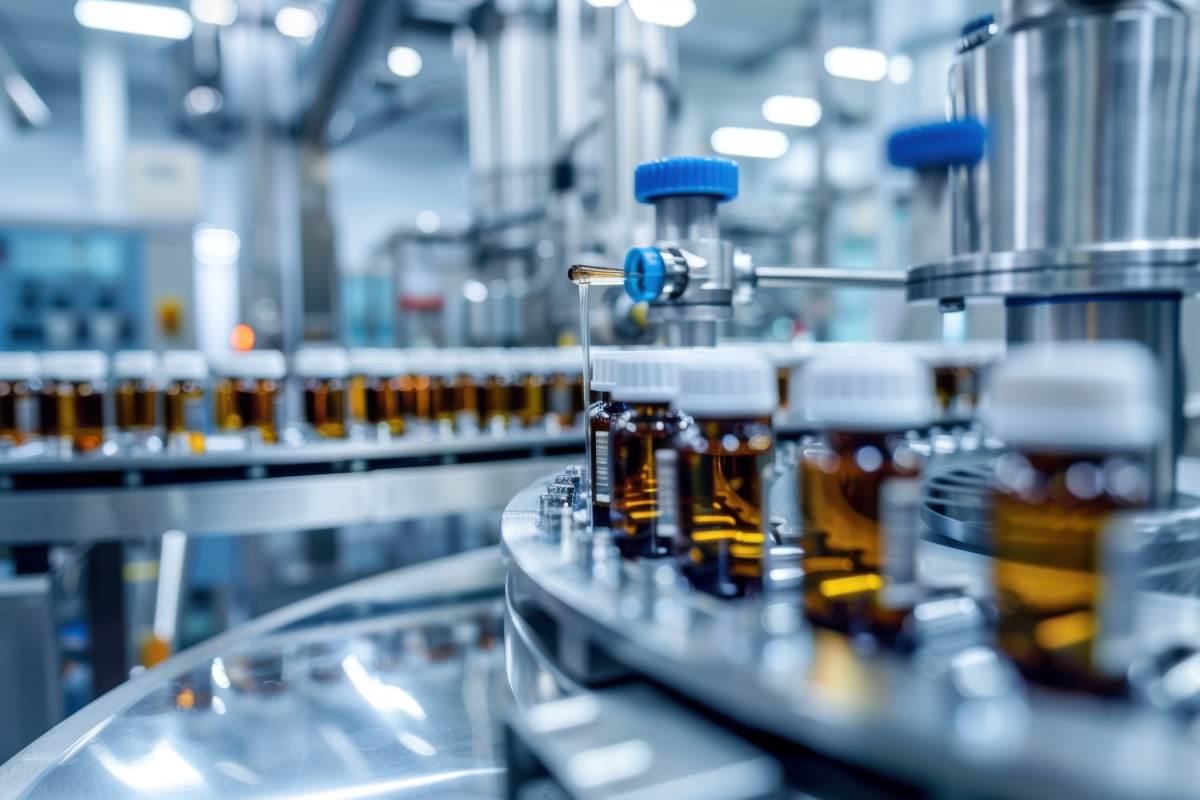
Why Pharmaceutical Cold Chain Ammonia Refrigerant Is the Best Natural Alternative
Global pharmaceutical supply chains are facing an unprecedented transition as environmental regulations tighten around fluorinated gases (F-gases). For years, the industry relied on hydrofluorocarbons (HFCs) like R-404A and R-507, but these substances carry high Global Warming Potential (GWP) ratings that are no longer compatible with international sustainability targets. As organizations seek to future-proof their operations, the adoption of a pharmaceutical cold chain ammonia refrigerant natural alternative has emerged as a critical path forward for maintaining product integrity while adhering to evolving environmental mandates.
The pharmaceutical industry operates under strict Good Manufacturing Practice (GMP) and Good Distribution Practice (GDP) standards, where even minor temperature fluctuations can lead to total product loss or regulatory non-compliance. Transitioning to a natural refrigerant like ammonia (R-717) is not merely an environmental choice but a strategic operational decision. With its superior thermodynamic properties and zero-GWP profile, ammonia offers a long-term solution to the challenges of large-scale cold storage and vaccine distribution.
In this article, you will learn why ammonia is the leading choice for modern pharma facilities, how it aligns with GxP compliance frameworks, and the practical steps required to manage safety while optimizing refrigeration efficiency. Understanding the role of a pharmaceutical cold chain ammonia refrigerant natural alternative is essential for any Quality Assurance (QA) or Supply Chain Director focused on long-term facility resilience.
Key Takeaways
- Ammonia (R-717) has zero GWP and zero Ozone Depletion Potential (ODP)
- Thermodynamic efficiency in ammonia systems reduces energy consumption by 3-10%
- Secondary loop systems mitigate risk by keeping ammonia separate from product
- Ammonia is exempt from the phase-down schedules affecting HFC refrigerants
- Implementing ammonia systems supports compliance with ISO 14001 and ESG goals
The Rise of Pharmaceutical Cold Chain Ammonia Refrigerant as a Natural Alternative
The transition away from synthetic refrigerants is driven by landmark legislation such as the EU F-gas Regulation and the Kigali Amendment to the Montreal Protocol. These regulations mandate a significant reduction in the consumption of high-GWP HFCs, leading to increased costs and dwindling availability of traditional refrigerants. For pharmaceutical manufacturers, this represents a significant supply chain risk. If a legacy system leaks, the cost of replacement refrigerant can be exorbitant, and the risk of a 404 response for non-functional equipment increases.
Addressing Global Warming Potential (GWP)
Unlike HFCs, which can have GWP values in the thousands, ammonia (R-717) has a GWP of zero. This means it does not contribute to global warming when released into the atmosphere. For pharma companies aiming for Carbon Neutrality, switching to natural refrigerants is a fundamental step. Ammonia also has a high latent heat of vaporization, meaning less refrigerant is needed to achieve the same cooling capacity as synthetic counterparts, further reducing the environmental footprint of the facility.
Future-Proofing Against HFC Phase-Outs
Because ammonia is a natural substance, it is not subject to the legislative phase-outs that plague the chemical industry. Investing in a pharmaceutical cold chain ammonia refrigerant natural alternative today eliminates the need for expensive system retrofits in the next decade. While synthetic blends are constantly being reformulated to meet lower GWP targets, ammonia remains a constant, reliable, and inexpensive medium for large-scale refrigeration, providing stability in an uncertain regulatory landscape.
Operational Benefits of Ammonia in Pharma Storage and Distribution
Beyond environmental compliance, ammonia systems provide distinct operational advantages that directly impact the bottom line. In a high-stakes environment where cold chain integrity is paramount, the reliability and efficiency of the refrigeration plant are non-negotiable. Ammonia has been used in industrial cooling for over a century, and its performance at low temperatures is well-documented in peer-reviewed technical literature and industry standards.
Thermodynamic Efficiency at Low Temperatures
Ammonia is recognized as one of the most efficient refrigerants available. In large-scale cold storage warehouses, energy consumption is often the highest variable cost. Ammonia systems typically operate with a 3% to 10% higher efficiency than traditional HFC systems. This efficiency is particularly pronounced in deep-freeze applications required for certain biologics and specialty vaccines, where maintaining a steady -20°C or -70°C is critical. TrueCold partners often see these efficiency gains reflected in lower utility costs and improved compressor longevity.
Lower Maintenance Costs and Long-Term ROI
While the initial capital expenditure (CAPEX) for an ammonia system may be higher due to the need for stainless steel piping and specialized safety controls, the total cost of ownership (TCO) is lower. Ammonia is significantly cheaper per pound than HFCs or HFO blends. Furthermore, because it is a natural refrigerant, it does not decompose into harmful acids inside the system, reducing internal corrosion and extending the life of the mechanical components. This reliability is vital for maintaining data integrity and continuous temperature monitoring in GDP-compliant environments.
Maintaining GxP Standards and Safety in Ammonia Facility Design
Quality Assurance managers often express concerns regarding the toxicity and flammability of ammonia. While ammonia is classified as a B2L refrigerant (higher toxicity, lower flammability), modern engineering controls make it exceptionally safe for pharmaceutical applications. The key to successful implementation lies in following ISPE (International Society for Pharmaceutical Engineering) guidelines and local safety regulations such as OSHA Process Safety Management (PSM) in the United States.
Risk Mitigation and Secondary Loop Systems
To protect the pharmaceutical product from any potential leak, most modern facilities utilize secondary loop systems. In this configuration, the ammonia is contained within a centralized machine room, where it cools a secondary fluid—typically a food-grade glycol or CO2. This secondary fluid is then circulated to the air handling units in the storage area. This design ensures that ammonia never enters the rooms where product is stored, effectively eliminating the risk of chemical contamination and ensuring compliance with FDA and EMA quality standards.
Validation and Safety Protocols
Every ammonia installation must undergo rigorous Validation (IQ/OQ/PQ) to ensure performance and safety. This includes the installation of ammonia sensors, emergency ventilation systems, and automated shut-off valves. Under ICH Q9 Quality Risk Management, facility managers must conduct a thorough risk assessment to identify potential failure modes. When properly managed, ammonia systems provide a highly stable environment for sensitive therapeutics, often exceeding the temperature stability requirements found in USP <1079>.
Strategic Implementation of Pharmaceutical Cold Chain Ammonia Refrigerant Natural Alternative Systems
Implementing a new refrigerant strategy requires a holistic view of the facility's needs. While ammonia is excellent for large-scale applications, some facilities may consider a hybrid approach. Comparing ammonia to other natural refrigerants like Carbon Dioxide (R-744) is common practice during the design phase. However, for large-scale pharmaceutical warehousing, ammonia remains the gold standard for efficiency and scalability.
Ammonia vs. CO2 Cascade Systems
For facilities requiring ultra-low temperatures, an Ammonia/CO2 Cascade System is often the most effective solution. In this setup, ammonia is used for the high-temperature stage, while CO2 handles the low-temperature stage. This combination leverages the strengths of both natural refrigerants while minimizing the ammonia charge within the facility. This approach is increasingly popular in modern biotech hubs where space is at a premium and safety regulations are stringent. TrueCold technology can monitor these complex cascade systems to ensure both stages are operating within the specified ranges to prevent excursions.
Selecting the Right Facility Partner
Choosing a partner with experience in both industrial refrigeration and pharmaceutical compliance is essential. The system must not only cool the product but also provide the necessary documentation for regulatory audits. Automated monitoring systems should be integrated into the refrigeration plant to provide real-time visibility and historical data for CAPA (Corrective and Preventive Action) reporting. A well-designed system using a pharmaceutical cold chain ammonia refrigerant natural alternative will provide decades of service while meeting the highest global quality standards.
Conclusion
The transition to a pharmaceutical cold chain ammonia refrigerant natural alternative is no longer a niche environmental trend; it is a fundamental shift in how the industry manages risk and sustainability. By moving away from synthetic HFCs, pharmaceutical companies can avoid the rising costs of refrigerant phase-downs while significantly reducing their energy footprint. Ammonia offers the thermodynamic efficiency required for modern biologics and the long-term regulatory stability that QA managers crave. When combined with secondary loop technology and rigorous safety protocols, ammonia stands as the most reliable choice for protecting the next generation of life-saving medicines.
Ready to Strengthen Your Pharmaceutical Cold Chain Ammonia Refrigerant Natural Alternative Strategy?
TrueCold provides the specialized monitoring and data integrity tools needed to manage complex refrigeration systems. Our platform ensures your natural refrigerant systems remain compliant with GxP standards while providing real-time alerts to prevent excursions. Schedule a consultation or request a demo to see how TrueCold can help your team optimize facility performance and ensure audit readiness.
Sources & References
- International Society for Pharmaceutical Engineering. "ISPE Good Practice Guide: Sustainable Facilities." 2. https://ispe.org/publications
- European Medicines Agency. "Guidelines on Good Distribution Practice of Medicinal Products for Human Use." 4. https://www.ema.europa.eu/en/human-regulatory-overview/research-development/compliance-research-development
- U.S. Food & Drug Administration. "Current Good Manufacturing Practice (CGMP) Regulations." 6. https://www.fda.gov/drugs/guidance-compliance-regulatory-information/guidances-drugs
- World Health Organization. "Technical Supplement: Refrigeration Systems for Vaccine Storage." 8. https://www.who.int/teams/health-product-and-policy-standards/standards-and-specifications
- National Center for Biotechnology Information. "Analysis of Natural Refrigerants in Industrial Cooling Applications." 10. https://pubmed.ncbi.nlm.nih.gov
- International Council for Harmonisation. "ICH Q9 Quality Risk Management." 12. https://www.ich.org/page/quality-guidelines
- United States Pharmacopeia. "USP <1079> Good Storage and Shipping Practices." 14. https://www.usp.org/resources
- European Union. "Regulation (EU) No 517/2014 on Fluorinated Greenhouse Gases." 16. https://eur-lex.europa.eu/homepage.html
Ready to Transform Your Cold Chain?
Learn how TrueCold can help you implement the solutions discussed in this article and optimize your temperature-controlled logistics.